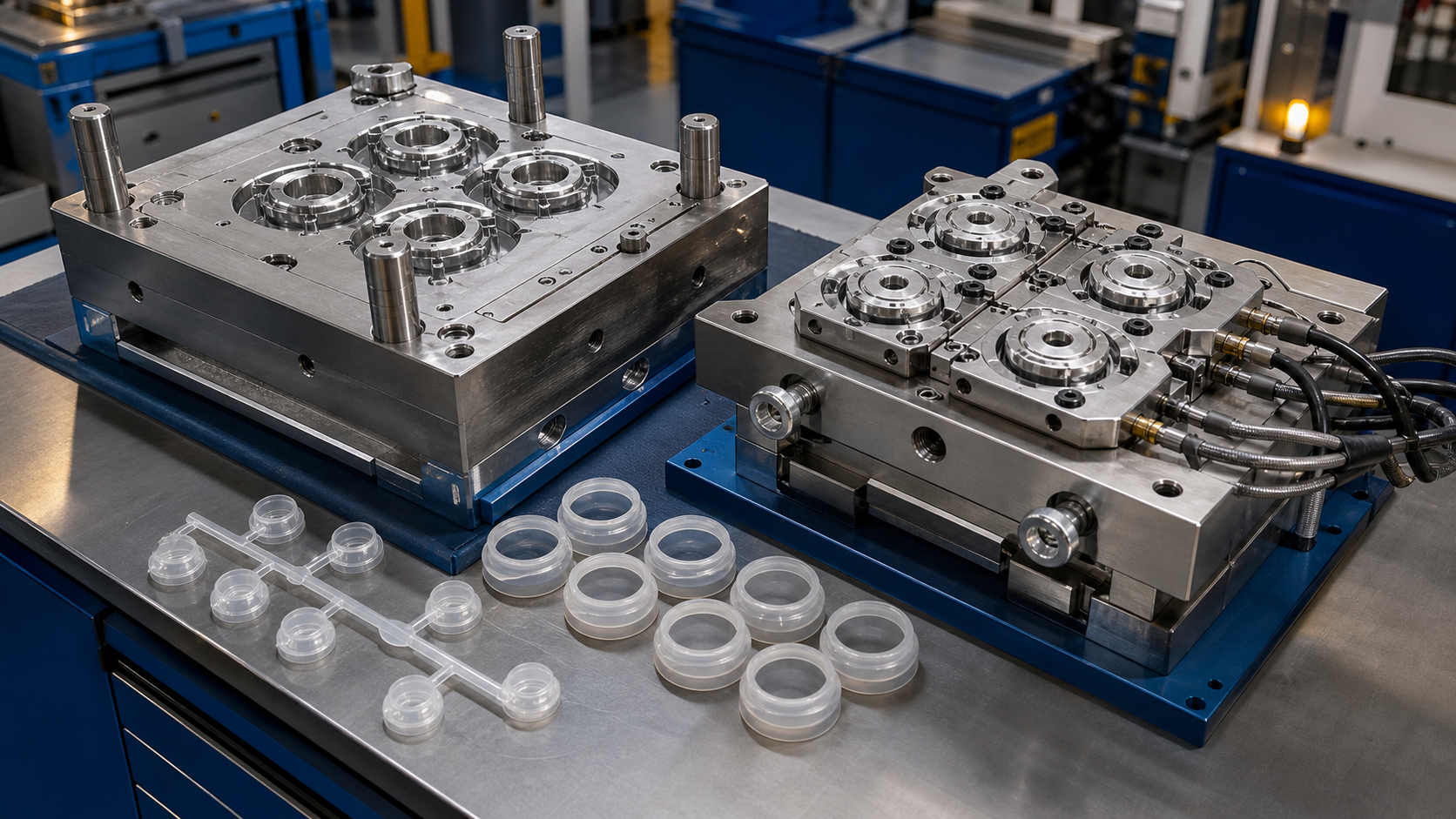
A laboratory report can confirm that selected samples passed selected tests. It does not, by itself, define which bottle configurations the result covers, whether the tested components match production, or when a change requires new evidence. For a baby feeding brand entering the United States, those decisions belong in the compliance plan before samples are sent to a laboratory.
Children's product testing is a chain: classify the product, identify every applicable rule, select representative samples, control component evidence, respond to material changes, test periodically, and issue the correct certificate. When any link is vague, an importer may receive a polished report package that cannot be connected confidently to the goods at the port or in the warehouse.
This guide explains how brand owners, importers, product developers, and OEM/ODM factories can organize that chain for baby bottles, training cups, silicone feeding parts, and related accessories. It is a sourcing and documentation guide, not legal advice or a complete rule list for a particular product.
Classify the product before ordering tests
The test plan starts with intended users and intended use, not with a generic laboratory package. The U.S. Consumer Product Safety Commission defines a children's product as a consumer product designed or intended primarily for children 12 years of age or younger.
Its children's product guidance points to four factors: the manufacturer's stated use, the product's packaging and promotion, how consumers commonly recognize it, and the Commission's age-determination guidance.
A baby bottle or training cup will usually be evaluated through its actual design, age positioning, instructions, packaging, and foreseeable interaction with a child. Calling an item an “accessory” or adding an age statement does not replace that analysis.
A kit also needs configuration-level review because a part that is ordinarily general use can take on children's-product obligations when it is supplied as part of a children's product.
After classification, build a rule list for the exact product and sales route. Children's products that are subject to a CPSC-enforced children's product safety rule generally require testing by a CPSC-accepted third-party laboratory and a written Children's Product Certificate, or CPC.
The applicable rules may differ by material, component, age grading, function, decoration, and product category. Food-contact, state, retailer, and destination requirements can sit beside the CPSC plan; a CPC does not replace those separate obligations.
Turn the bill of materials into a test matrix
A single report folder should not become the compliance definition for every SKU. Start with a controlled product family map: bottle size, body material, nipple or spout, collar, lid, handle, valve, decoration, colorant, packaging configuration, age grade, and manufacturing site. Mark which parts are identical across SKUs and which differences could affect an applicable requirement.
Then map each rule to the level at which compliance can be evaluated. Some chemical requirements may be addressed through eligible component evidence. Other requirements depend on the finished article, assembled geometry, accessible parts, or the way components interact. When a requirement calls for finished-product testing, a material report cannot substitute for the assembled test.
| Planning question | Evidence to define |
|---|---|
| What is being certified? | Exact SKU family, age position, intended use, manufacturing site, and importer or domestic manufacturer |
| Which rules apply? | Rule-by-rule matrix tied to materials, accessible components, geometry, and product category |
| Which sample represents production? | Selected variants, colors, cavities, lots, suppliers, and the reason they cover the untested population |
| What reopens the plan? | Design, material, colorant, process, tool, site, component, or supplier changes with documented review |
The matrix should name the test method and the laboratory scope needed for each rule, not merely “CPSC testing.” Under 16 CFR Part 1107, certification testing must use sufficient samples that are identical in all material respects to the product and support a high degree of assurance. Sample quantity therefore depends on product knowledge and manufacturing variability, not on a universal number copied from another program.

Use component evidence without losing traceability
Component testing can prevent unnecessary duplication when one resin, silicone compound, pigment, coating, or subassembly is shared across products. It is useful only when the finished-product certifier can show that the tested component is the component used in production and that component-level testing is sufficient for the applicable requirement.
16 CFR Part 1109 allows reliance on qualifying component or finished-product evidence under defined conditions. The relying party must exercise due care, preserve test-result integrity, and maintain traceability to the testing party and the tested component or product.
The documentation should identify the item, lot or batch, applicable rule, test method, test date, result, laboratory or testing party, and each party relying on the evidence.
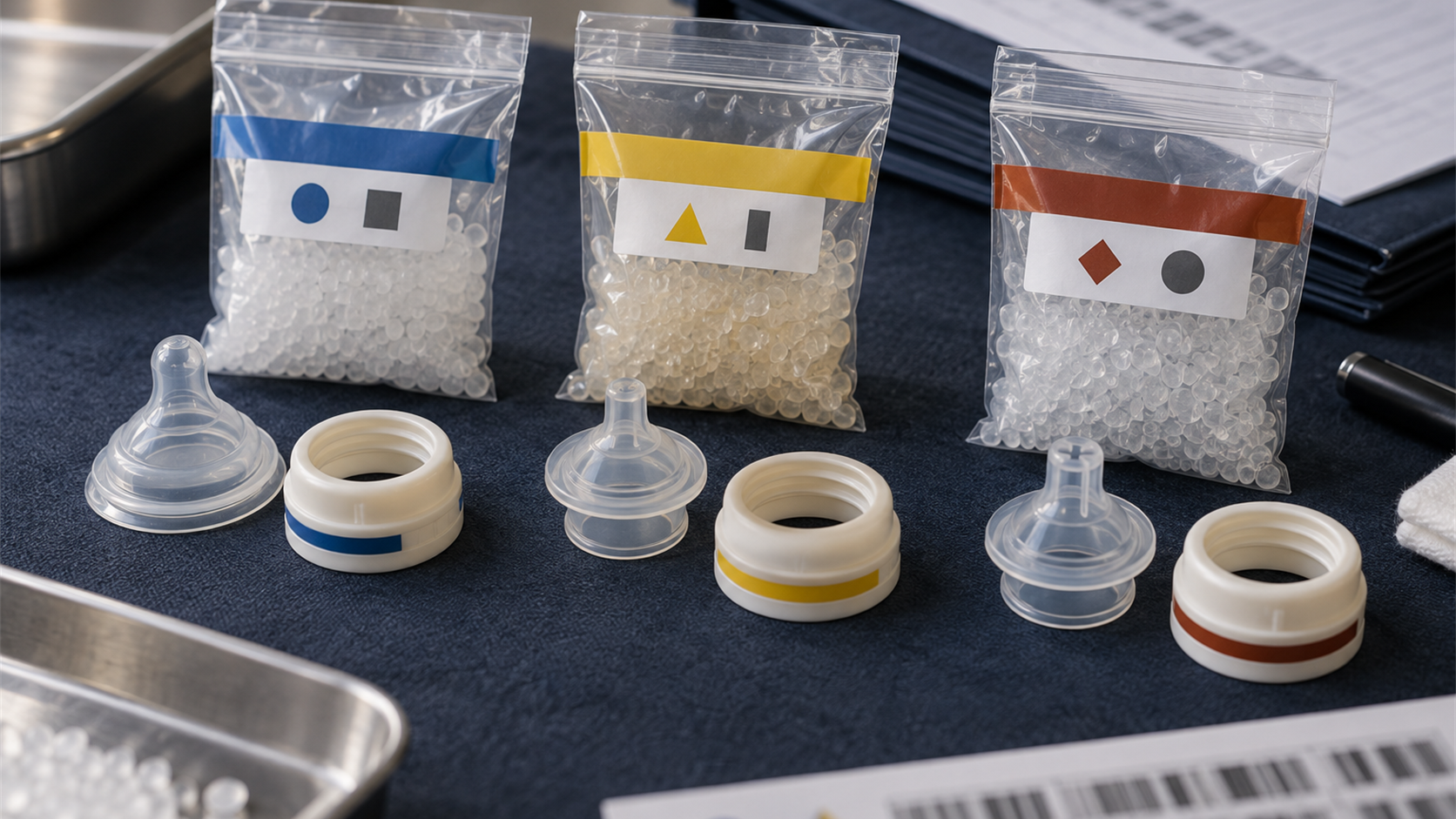
For an OEM/ODM program, that means a supplier declaration should connect to the purchase specification, approved manufacturer and grade, incoming lot, factory material identity, production lot, and finished SKU. A color change is not automatically covered because the base polymer is unchanged. A substitute silicone supplier is not automatically equivalent because the hardness description looks similar. The certifier needs a reasoned, documented basis for deciding what the evidence covers.
Part 1109 also draws an important boundary: component evidence cannot be used for a requirement that must be assessed on the finished product. If final molding, printing, assembly, contamination, geometry, or use of a component can affect compliance, retain the finished-product check that addresses that risk.
Plan representative and periodic testing together
Initial certification is a release point, not the end of the program. Part 1107 requires manufacturers of children's products to conduct periodic testing through a CPSC-accepted third-party conformity assessment body.
The rule provides different maximum intervals depending on the continued-compliance system, but the selected interval must still be short enough to provide a high degree of assurance for the production it is intended to cover.
The basic periodic-testing route has a maximum interval of one year. A documented production testing plan can support third-party periodic testing at least once every two years. A qualifying program using an appropriately accredited ISO/IEC 17025 laboratory can support a maximum interval of three years under the conditions in the rule.
These are not default recommendations for every bottle program. High variability, results near a limit, tool wear, complaints, new components, production volume, severity of potential harm, and difficulty detecting noncompliance can justify shorter intervals.
Representative sampling should connect the laboratory sample to the population of untested products. Define how sites, lines, tools, cavities, shifts, material lots, colors, and SKU variants enter the selection. Record who selected the samples and why the selection supports the inference. This is different from an AQL shipment decision: periodic compliance testing is designed to support continued certification against applicable rules, while AQL sampling controls a commercial lot under an agreed acceptance plan.
Production controls can strengthen the system between laboratory events. They may include incoming identity checks, process limits, cavity coverage, calibrated measurements, line inspections, retained samples, complaint review, and targeted internal tests.
Part 1107 says a production testing plan cannot consist only of mathematical analysis or simulation; it must include effective testing and a documented basis for the assurance it provides.
Treat material changes as compliance triggers
A launch team often notices major redesigns but misses small sourcing or process decisions. Part 1107 defines a material change broadly enough to include a change in design, manufacturing process, or component sourcing that could affect compliance. A new resin grade, pigment, silicone compound, coating, print system, cavity, tool repair, component supplier, molding site, or assembly method should therefore enter a documented change assessment before use.
When the change can affect an applicable children's product safety rule, the manufacturer must test a sufficient number of materially changed samples through a CPSC-accepted third-party laboratory and issue a new CPC before certifying the changed product. The extent of testing may follow the nature of the change.
If a change is limited to one component and does not affect other requirements, the rule permits a new certificate to rely on earlier tests plus qualifying new evidence for the changed component, provided due care and material identity are established.
A practical change form should ask four questions: what changed, which rules could be affected, which existing evidence remains applicable, and what new testing or certification is required. Attach drawings, specifications, supplier identifiers, material and color codes, effective lot or date, risk review, laboratory instruction, result, approval, and the updated CPC. Link the decision to inventory so pre-change and post-change goods cannot be mixed.

Build the CPC and shipment record from controlled data
The CPC should be the output of the evidence chain, not a document drafted from memory at shipment. CPSC's CPC guidance says the domestic manufacturer or importer certifies the children's product based on results from a CPSC-accepted third-party laboratory.
No fixed template is required, but the certificate must contain seven accurate elements, including product identification, each applicable rule, certifier and recordkeeper contacts, manufacture date and place, testing date and place, and laboratory details. The CPC and supporting reports must be in English.
As of July 8, 2026, CPSC states that importers of most regulated consumer products must electronically file certificate data with U.S. Customs and Border Protection through the Partner Government Agency Message Set. Brands should confirm the current eFiling workflow with their importer and broker, because a PDF stored with the supplier is not the same as usable entry data.
Keep the evidence package searchable by product, lot, factory, and certificate revision. Part 1107 requires specified certification, periodic-testing, representative-sample, material-change, and undue-influence records to be maintained for five years and made available to CPSC on request. A durable package should also preserve the controlled BOM, rule matrix, supplier evidence, laboratory scope, raw reports, deviations, approvals, and distribution of each CPC.
DoraPony can help brand and sourcing teams turn a U.S. product brief into a factory-ready compliance evidence map before pilot production. Share the intended users, product configurations, materials, colors, manufacturing sites, U.S. importer, and planned sales channels so the BOM, sample strategy, change triggers, document ownership, and production controls can be aligned with qualified compliance advisers and laboratories before shipment.